In the following I will be describing various scenarios where HSP is a challenge. Hopefully, the observations and experiences I have made will be useful to others with similar challenges.
HSP is a group of conditions with similar symptoms, but they are not exactly the same. It is therefore possible that my experiences are not always applicable. Unfortunately, my neurologist was unable to identify a know SPG mutation when examining my blood sample, which might have helped when to figure out who might have most use of reading this text.
In the following I will debate legs, dietary supplements, stretches, movement, fatigue,
Legs
Most writings about about HSP would have to start with the legs. My legs misbehaves mostly when presented with cold weather and when I am stressed (and misbehaves a lot when presented with both scenarios).
In the following I will debate various leg scenarios and how I am dealing with them.
Morning Legs
My legs hurt in the morning. It’s like waking up the day after a half marathon for which I didn’t do any prior training. But every morning is like that.
I have found out that I can make the morning soreness go away using a percussion massage gun (preferably athletic quality). The one I am currently using very much resembles a jigsaw – also when considering the noise level, which drives my family crazy at times.
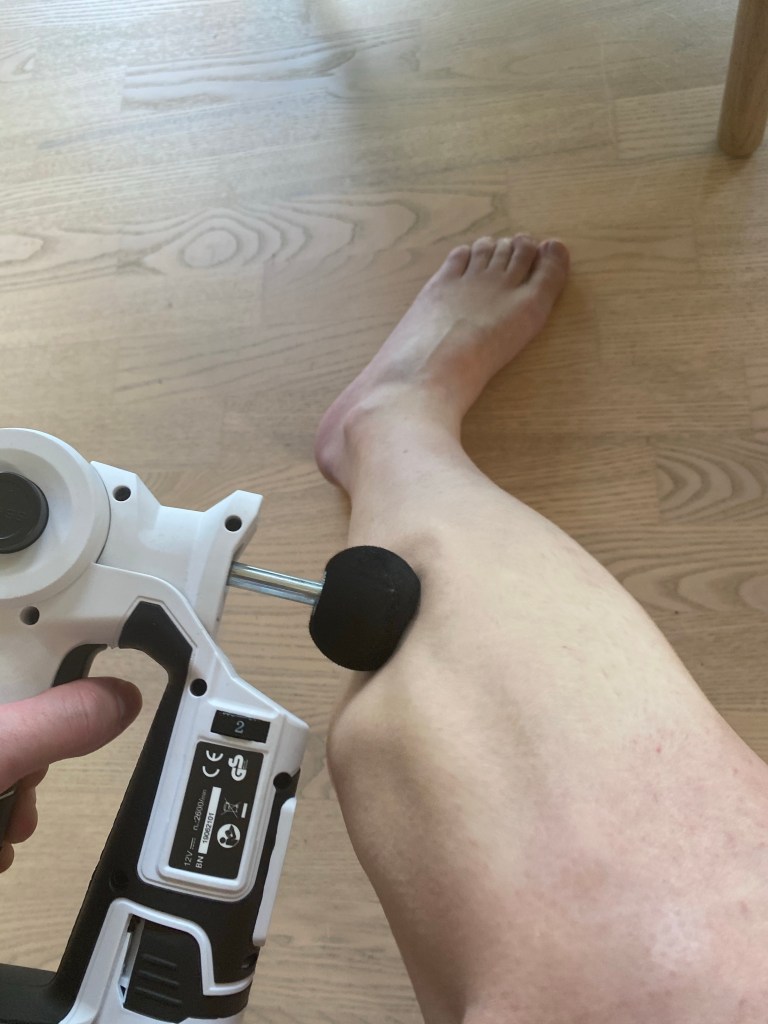
Passive Legs
I have also noticed that sitting down for longer periods of time will make my legs hard to activate, and possibly with emerged soreness. I have had some serious falls after passivity, such as falling on the steps leading into a KLM City Hopper (the plane for Amsterdam), or falling on the stairs on the parking lot after work.
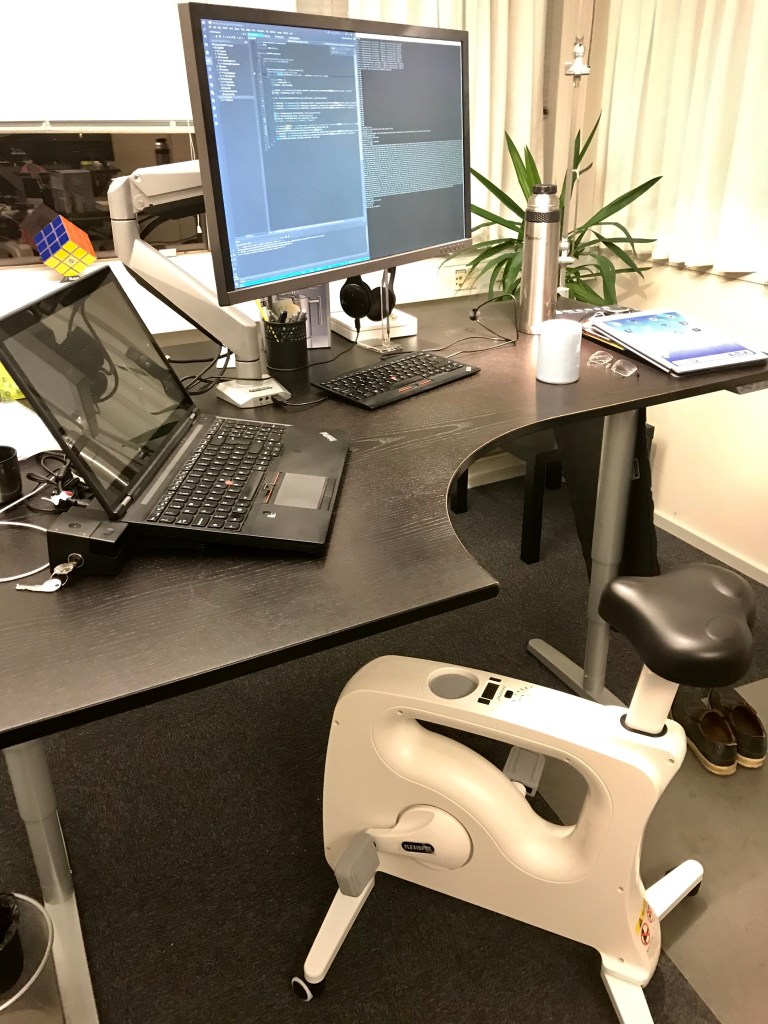
If possible, I try to avoid sitting on an ordinary chair for too long. At the office, I have replaced the traditional office chair with an office bike and a sit-stand chair. Both these assists in keeping my legs ‘alive’ even after a long day at the office.
In situations where my legs require extra care, I have acquired a pair of compact active compression devices. I am wearing them right now due to the aftereffects of my run Wednesday, but I am mostly wearing them when mobility options are limited, such as when driving or flying.

Night Legs
I have been struggling a lot with my legs when trying to fall asleep. Sometimes, it feels like my legs are about ready to start a 100m sprint – simply waiting for the starting pistol to sound. At other times I have had movements and kicks, which would keep me awake and wake me up at night.
I would state that restless legs in the evening and at night seems to be a primary indicator that I have not been paying sufficient attention to my HSP condition the previous days. In particular stretches and movement is a requirement along with dietary supplements. And in particular when the weather is cold, it is paramount that that I completely stay away from caffeine (except maybe for a single cup of cocoa).
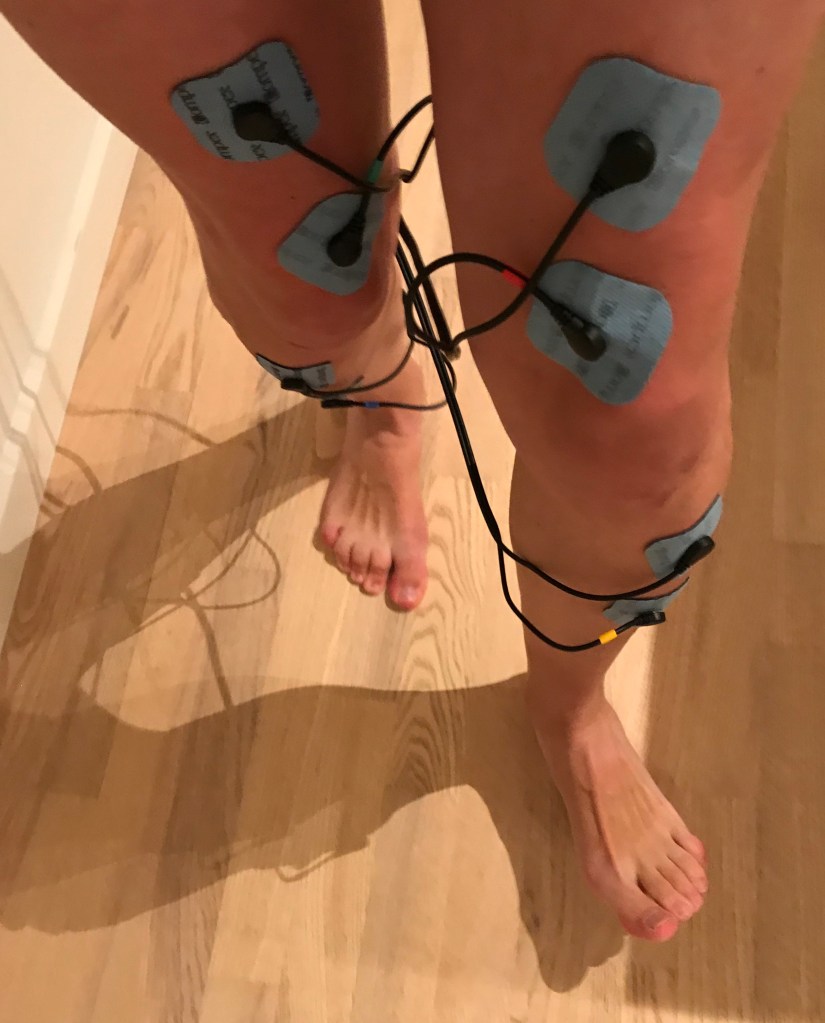
I usually do yoga before bed time, since the stretches helps calm the leg muscles, thus avoiding restless legs. But when unable to fall asleep, I usually apply some sort of electronic muscle stimulation in combination with an episode of a boring TV series. Appropriate muscles can be stimulated by using a EMS (Electronic Muscle Stimulator) with electrodes or by simply placing the feet on a blood circulation stimulator. A blood circulation stimulator is cheap but is sometimes it a little hard on the feet and in particular the toes – in particular if these are not relaxed to begin with.

Dietary Supplements
My day starts with 40 mg of alpha liponic acid. I found mentioning of it on the Spastic Paraplegia Foundation web site. Further studies revealed that this is currently approved for the treatment of diabetic neuropathy in Germany (but the only scientific references I found on the matter in relation to HSP was in regards to experiments with rats). It feels like this gives me slightly improved muscle control.
My family has a history of osteoporosis, so in the morning I take a mild osteoporosis supplement (calcium 200 mg, magnesium 100 mg, vitamin D3 10μg).
In the evening I get a multi vitamin supplement (Biosym Omnimin, which includes calcium 100 mg, magnesium 50 mg, vitamin D3 10μg). This supplement contains several other minerals and antioxidants. The normal dose for this is 2 pills a day, but in order to stay within recommendations I have reduced this to one.
My doctor did a test and concluded that I had D vitamin insufficiency. Please be aware that the body cannot easily dispose of vitamin D, so one should be careful when exceeding the daily recommended dose.
In addition, I get 300 mg magnesium (), which seems to help a lot with the restless legs – in particular during winter. Notice that magnesium has a laxative effect, which is the primary indicator of when the limit has been exceeded.
The Spastic Paraplegia Foundation also mentions coenzyme Q10, so usually take 100 mg in the evening.
Since New Years 2020 I have added omega 3 capsules and lactic acid bacteria to my evening supplements. The later is an attempt to stabilize my stomach.
Stretches
Stretching is boring and it hurts, and as a consequence special motivation is required in order to ensure that it gets done. When done very frequently (in combination with supplements and a non-stationary lifestyle), I would claim that it removes most of the unpleasantness of my HSP (at least until now).
Most important are hamstring stretches. These can be made most efficiently using an Ideal Stretch device or a yoga ankle ligament stretch strap. In addition to this, I have been trying to do a weekly one hour yin yoga session (either online or in the local yoga center, which I found was somewhat more motivating).
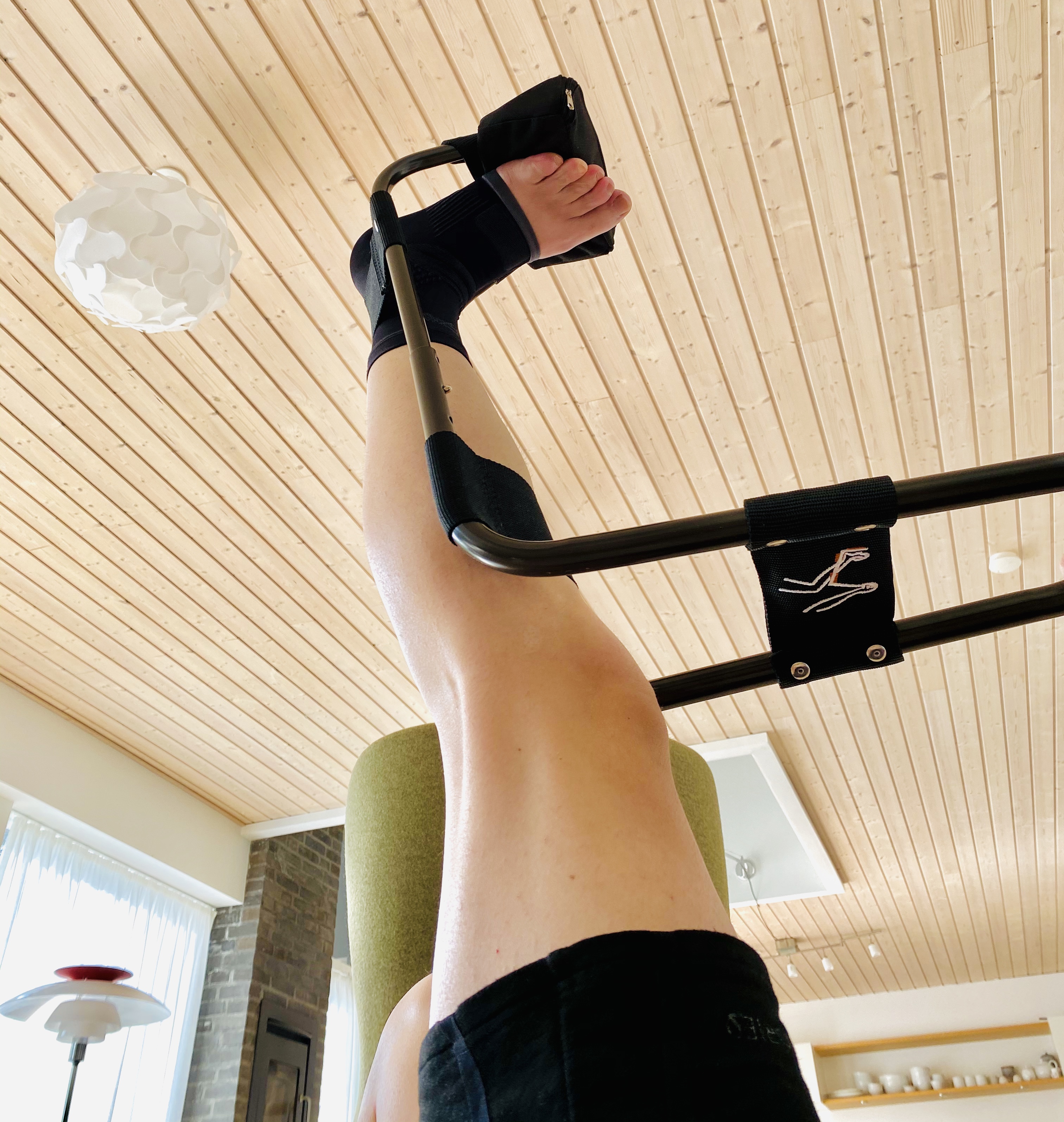
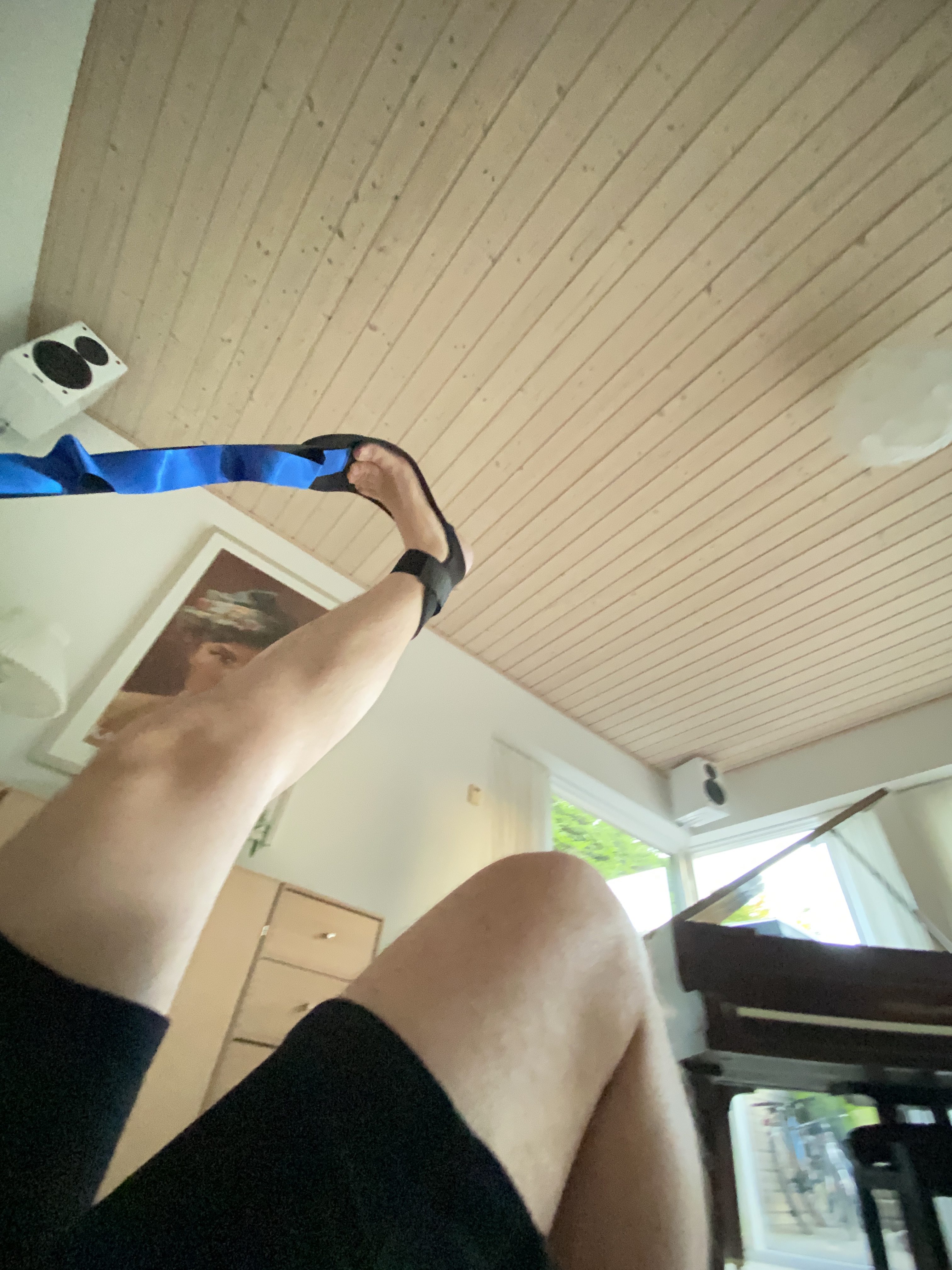
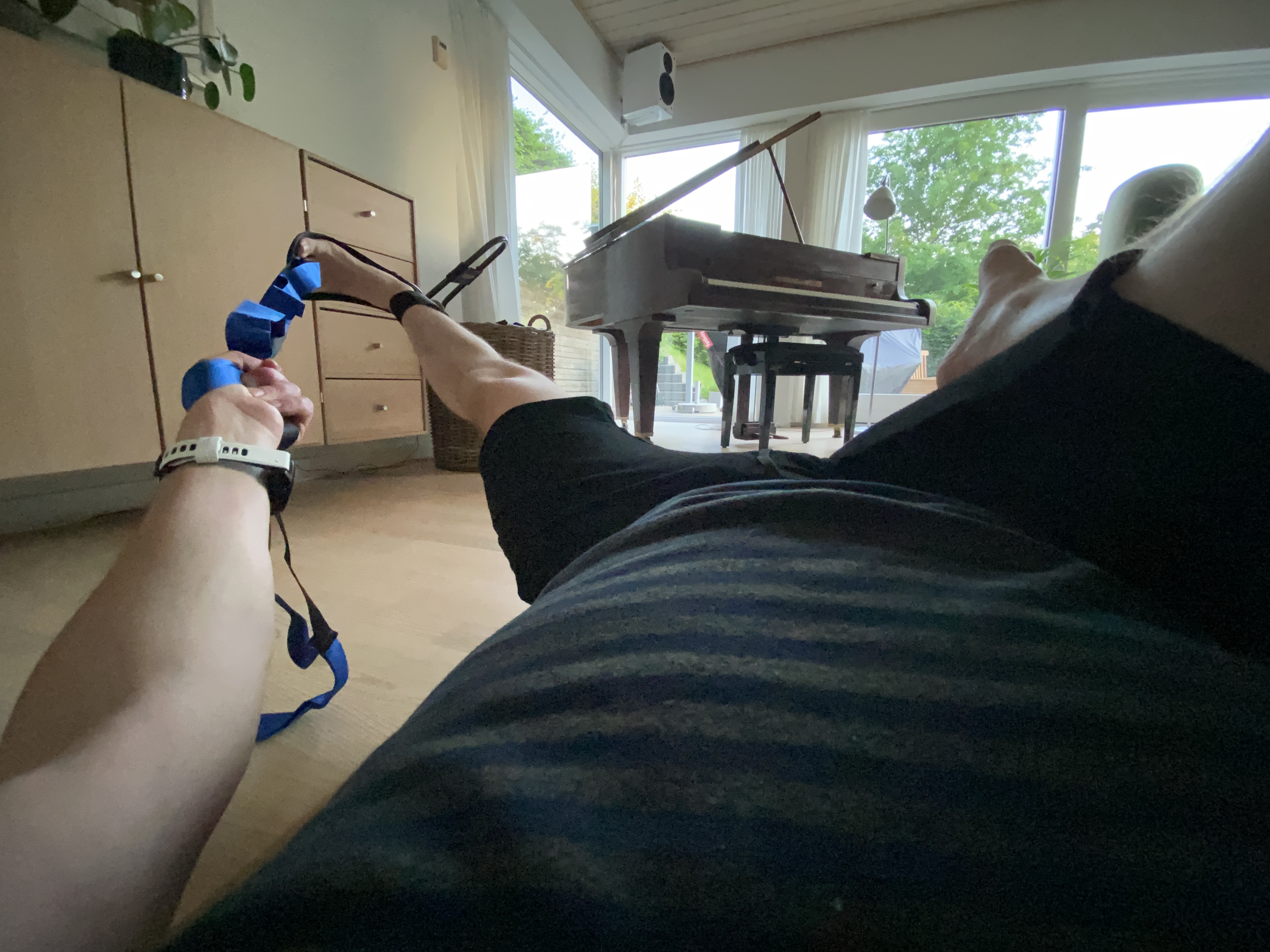
While the loss of balance makes it a bit attimidating to attend a traditional yoga class (having plenty of challenging balance positions), I found that yin yoga was awesome. It is usually very slow, always on the floor, with stretches that are done for several minutes, which gives time to figure out how to compensate for the oddities resulting from HSP. In particular, I have noticed that some stretches will trigger spasms, but repositioning a bit might enable the stretch without spasms.
Movement
One of the main problems caused by HSP relates to movements. In the following I will start by discussing initiatives performed in relation to walking, and then continue with initiatives performed in relation to running.
Walking
I used to run marathons and stuff. When I suddenly had a fall when running to the bus stop, it was clear that something was off.
I have managed to make most of the spasms go away. Every two weeks of so, I have had a masseuse try to fix the pain in my legs (before I got the massage gun). I bought a bottle of champaign the day my right calf spams reduced to such a level that she could do a deep muscle massage of my calf muscles without inflicting pain. What a nice feeling that was getting a relaxing massage of a muscle that had not relaxed for a few years!
Given that my leg muscles have little to no spasms (not possible if it’s cold or I am stressed – and definitely not in case of both), my problem seems to be mostly related to a delayed muscle reaction. This means that I cannot walk very fast, because my muscles are slow to activate. If someone walks in front of me, I am unable to do a quick stop. Also, the ankle dorsiflexor muscles are slow/weak, which makes me fall when going up stairs or when trip when walking on uneven terrain.
In addition to reducing the leg muscle spasms, I have been strengthening leg muscles that are most important in order to prevent falls, namely the tibialis anterior.
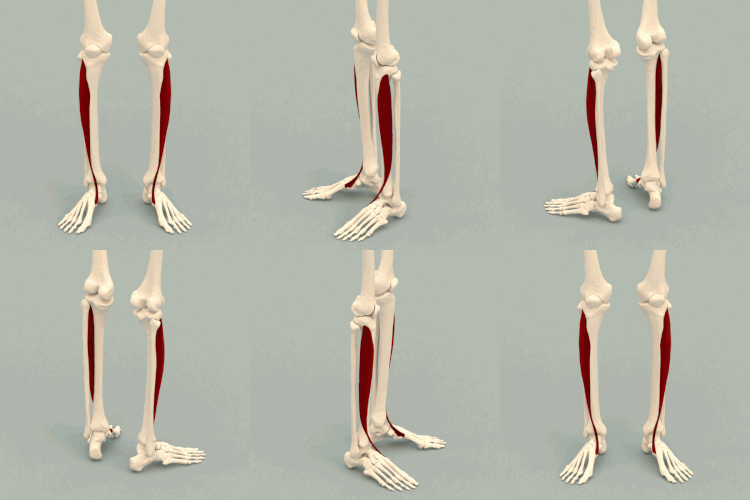


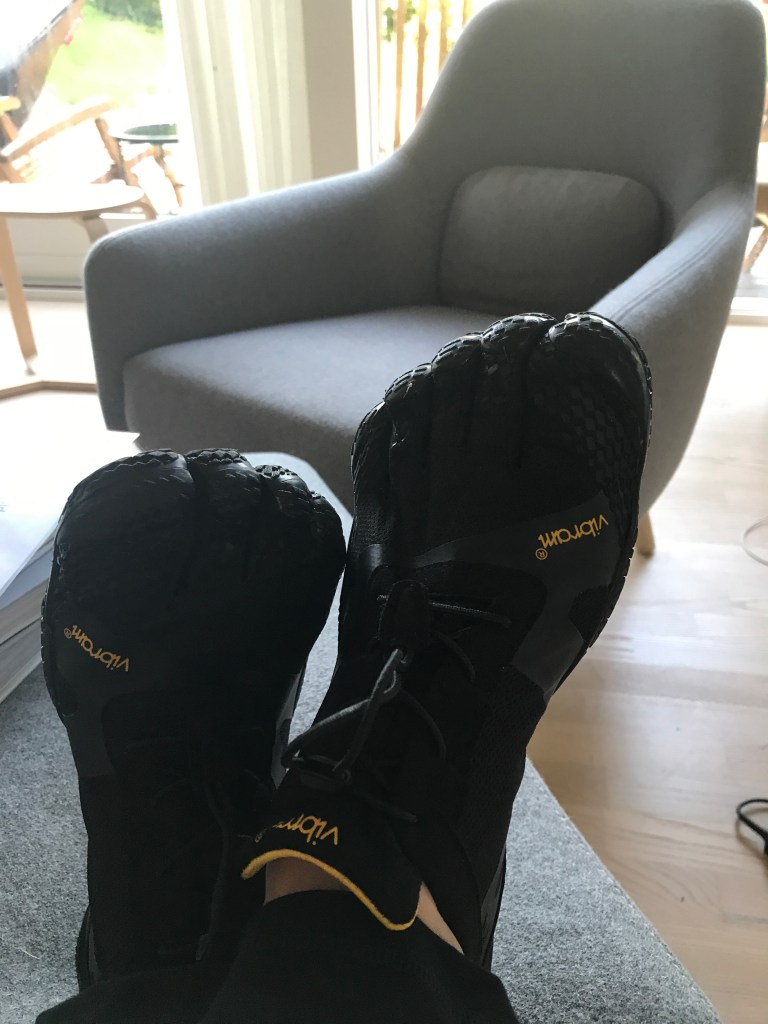
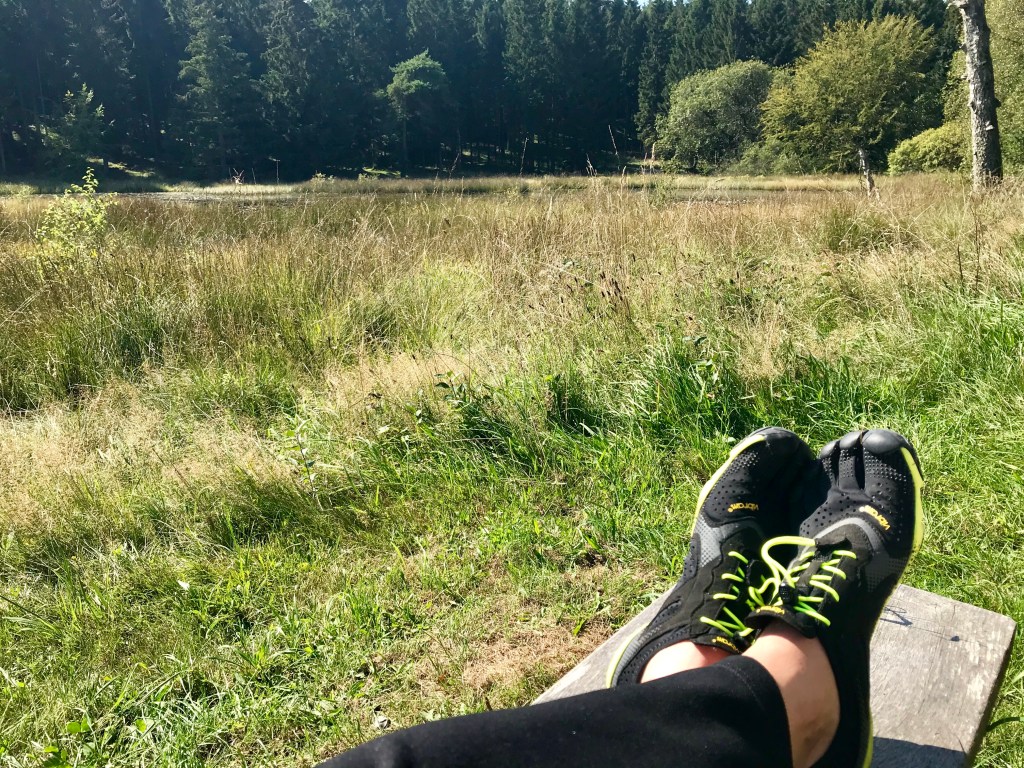
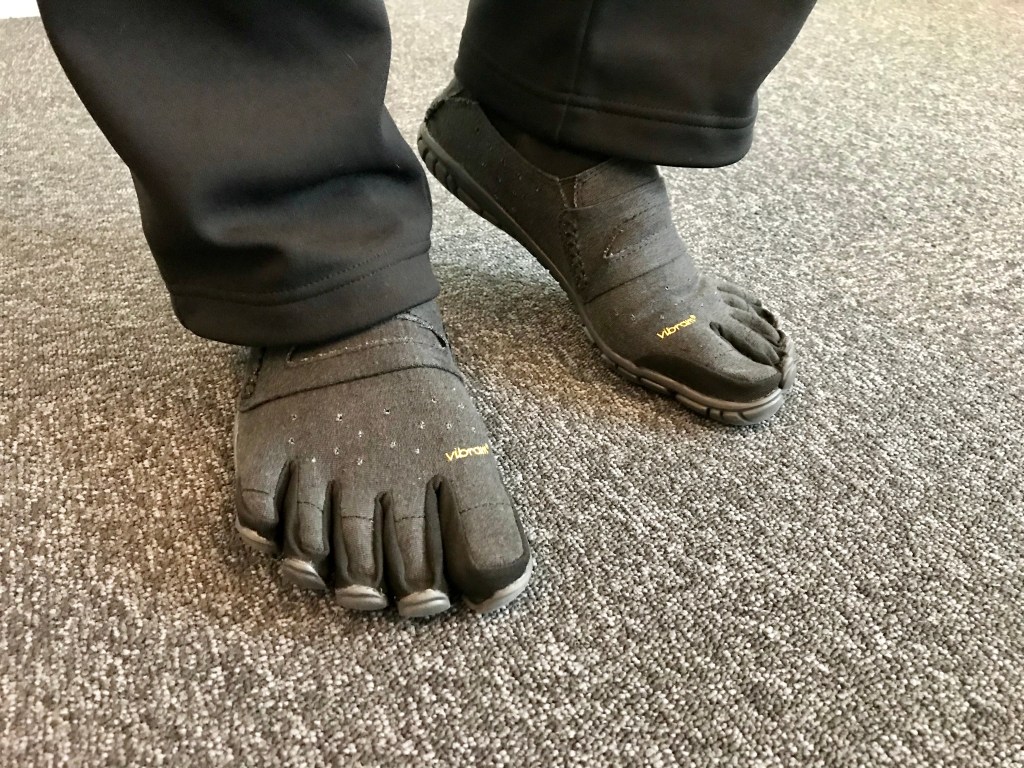
The the key problem seems to relate to balance and the ability to lift my feet, I came to the conclusion that it would be preferable to replace heavy footwear with minimalist shoes, thereby reducing weight and enabling better feeling of balance. I now own 12 pairs of minimalist shoes.

Cycling
I have reasonably good balance, but I will no longer be riding the time trial bicycle.

But during summer I have much fun riding both a road bike and a mountain bike in the forest.
During winter I can strengthen all my leg muscles by attending indoor cycling classes and events as part of the local fitness chain. The use of cycling shoes makes it possible to focus primarily on pulling shoes up rather than pushing shoes down. Notice in particular that a pull will activate and strengthen the tibialis anterior muscles (the ones needed for lifting the foot), and that a push will active that already weakened calf muscles (due to the spams). Pushing only when standing in the pedals but pulling when sitting down seems to be my preferred training strategy. And it seems to be working.
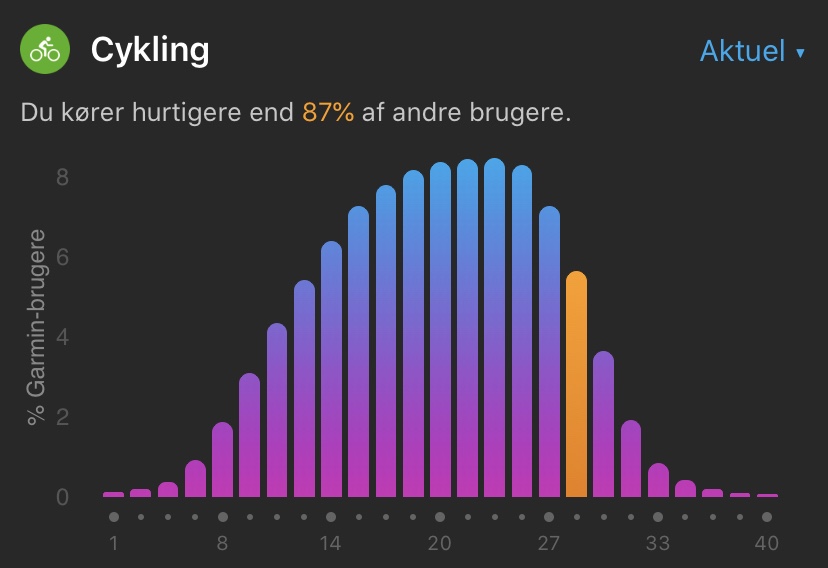
So cycling is great – as long as the sense of balance is working fine.
Running
I have always loved a run, and I live in the middle of a forest for the same reason. HSP makes it hard for me to even walk at a reasonable pace, so being able to run would seem unrealistic.
I found out that I can do sprints in minimalist shoes. Sprints are basically performed by performing jumps where the foot it locked – no need to dorsiflex the ankle. I can sprint at 25 km/h for a short period of time. But this is a very short run and not what I wanted. Running in minimalist shoes takes some getting used to – in particular when running on weak muscles that are having a hard time to recover from exercise because of spasms.
But I found a working solution to the running problem. I have built a device called Active Muscle Stimulator, which is a small computer that senses my movements using an accelerometer and in turn activates electrodes on my tibialis anterior muscles, thereby compensating for my inability to activate these muscles fast enough. I have been doing many runs with this device, and it can be thought of as an intensive variant of FES (Functional Muscle Stimulation). The purpose of FES is to stimulate weak neurological pathways electronically during normal use in order to speed up the natural regeneration processes. Again, it is unclear what HSP variants that can benefit from FES. But if this training can give me some recovery in addition to a nice run in the forest, why am I to complain?
This paper concludes that: There are multiple causes of tripping in people with SP; FES reduces foot drop and improves walking speed. When doing a 5 km run in the forest with the Active Muscle Stimulator attached, I am doing roughly 5000 steps, which means that each of my tibialis anterior muscles have been electronically stimulated 2500 times (in addition to being used for running).
I have decided to make the Active Muscle Stimulator open source, and I was hoping to complete the documentation on how to construct one during June, but things have dragging out a bit.
In order to document the effects of the machine, I have initiated an initiative with a physiotherapist, which is also a running coach. I am being filmed while walking and running and my lactate levels measured. I am following a training plan (currently running two times a week with the machine), and apart from minor muscle strains (mostly in the weak ankle muscles) everything is looking great.
FATIGUE
Most of the above was written in a single night after a day where I in the morning apparently had taken a little too much Modafinil. More on this later. But when I reached this paragraph, I had to stop – since this subject was more difficult for me to write about.
The Creative Mentor
I am curious by nature and sometimes my curiosity would keep me awake all night without me even noticing. While it wouldn’t happen every month, it would usually happen several times a year. I would stumble on something exiting, and I wouldn’t let it go until I had figured it all out in detail.
Given this fact, I have had a really hard time coming to terms with the fact that HSP is giving me days where I barely reach the middle of the day before I get too tired. Luckily this does not happen every day.
The thing is that I used to be this great mentor to others – mostly being patient and able to listen. But when fatigue kicks in it seems to transform me into “an angry old asshole” (not my wording).
Coping
The primary accomplishment here seems to be acknowledgment, and accepting that the energy levels are not quite what they used to be. Then I try to organize the daily work in such a way that appointments that require energy are located as early as possible.
This might require some coordination with others, and letting them know how things are. I recon that this in some cases may not be possible.
The most significant observation was realizing that I after an exhaustive day at work would find myself shouting at my wife and kids. That changed everything, and this was also the scenario that was later presented to my neurologist in an attempt to find some solution.
Modafinil
I have already mentioned Modafinil, which is a prescription drug in the amphetamine family (but usually without being additive). It is typically used as treatment for narcolepsy (the decreased ability to regulate sleep-awake cycles), but is sometimes used in other situations involving fatigue.
My neurologist prescribed me a small stash of Modafinil for use on those special day or periods where I need to be alert – not allowing for fatigue to kick in.
The problem is that you have to take it in the morning, since taking it later would give you a sleepless night. Sometimes it is a little difficult to foresee that fatigue will kick in. Usually my fatigue lasts a few days and then goes away again. The first day typically catches me off guard, thus ruining my day. The following days I look at the calendar in the morning and decides if this a day where Modafinil will be required.
Normally Modafinil is prescribed as pills of 100mg, but that is typically too much. I have acquired a pill splitter which enables cuttings pills in halves of 50mg each. This dose seems more adequate. I would recommend anyone trying out Modafinil limiting the dose to 50mg.
When taking Modafinil the fatigue seems gone. I noticed that Modafinil seems to speed up my thinking and keep me awake and alert, but that does not necessarily make me a better listener. While a dose of 50mg would make me close to my normal self, a dose of 100mg typically makes me somewhat hyper. I would not say that Modafinil is the perfect solution to the fatigue problem, but it at least is a handy help when compared to sleeping at the office.
Training
I find that having a training plan – and sticking to it the best I can – seems to help me with the general energy level. Maybe it’s because I sleep better at night.
If training helps with fatigue, then one might argue that if the fatigue increases with the progression of HSP, then so does the need for training. But training will get harder with the progression of HSP, so we have a problem. My answer to this problem would be to become really good at training, which in turn will enable training to go on for much longer.
I am able to do several different exercises – depending on weather and physical or mental state. Respecting the body and its weaknesses seems to be important. On other words, when the body feels worn, do an exercise that is easier on the worn part of the body. I do swimming (crawl), running, cycling (MTB or road), indoor cycling (more intensive and key in cold weather), and circle training at the gym. In addition I already mentioned the stretches and Yoga, but these are outside of the training plan.
I noticed in particular that HSP has extended the recovery times for my legs by a factor 2 when compared to normal. When the rule of thumb states that there should be a least on day between exercises for the purpose of recovery, I would say that this is now closer to 2 days. We can supplement running with cycling or swimming and thereby increase the number of weekly activities, but individual activities should be limited to no more than 2 per week (e.g. 2 x running + 2 x cycling).
 Active Muscle Stimulator (Trask)